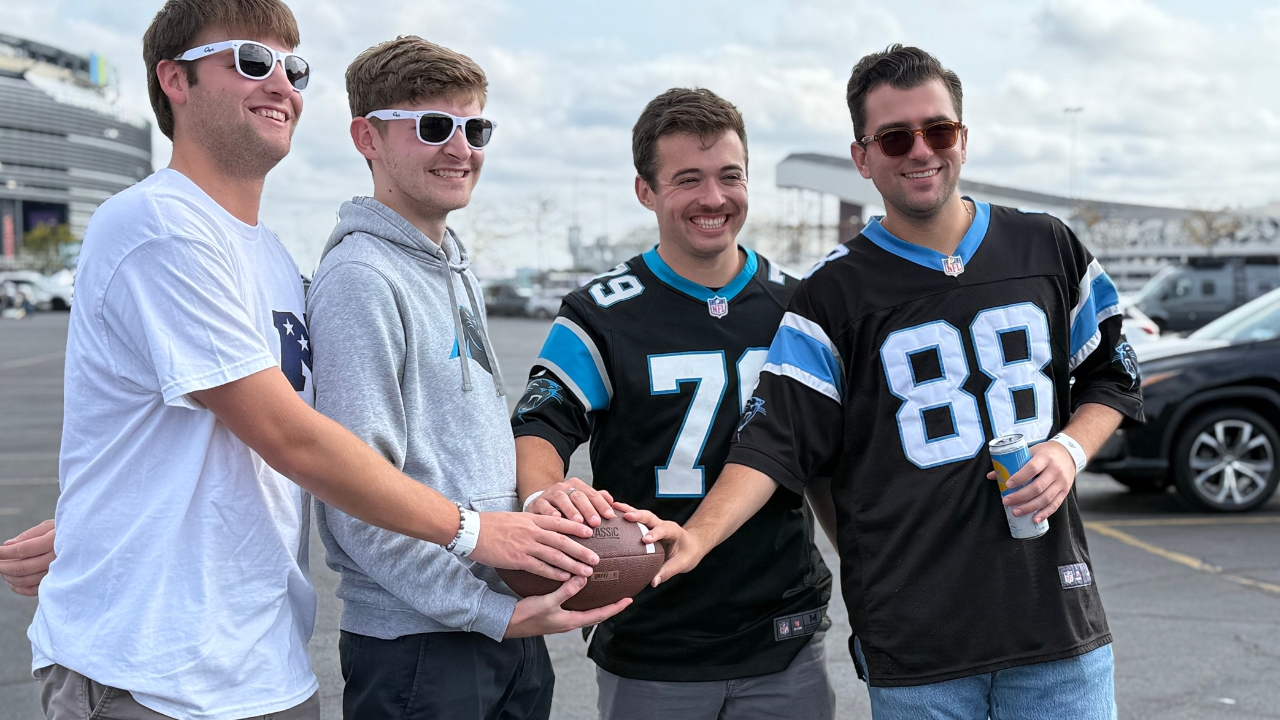
Tailgating is one of the best parts of football season. The food is hot, the music is fire, and the parking lot fills up with fans who treat game day like an event, not just a kickoff time.
For many groups, betting has become part of that routine. Not as the main attraction, but as an activity that sparks conversation while the grill is going and the pregame coverage plays in the background.
This guide is built for tailgaters who want a clear, responsible introduction to the essentials of betting. It keeps things simple, practical, and easy to follow, so you can enjoy the day without overcomplicating things.
Start With the Tailgate Mindset, Not the Scoreboard
The best tailgates have a rhythm. You settle in, eat, catch up with friends, and let the atmosphere build naturally.
Many fans arrive hours early to start the festivities. Research shows that 42 percent of NFL tailgaters arrive 3 to 4 hours before kickoff, and the average tailgate lasts about four hours. It’s plenty of time to relax, enjoy the build-up, and settle into the day long before the first snap.
Before you place any wager, remember to keep it simple and focus on what you like. Maybe it’s a player-on-player matchup you’ve been anticipating all week, a team you trust at home, or a number that just feels right for the way the game is set up.
Tailgating has a way of building confidence in the best way: shared energy, strong opinions, and plenty of friendly debate. That’s part of what makes it fun, especially when kickoff is still hours away.
Know the Bet Types You’ll Hear About Most
Most game-day betting talk falls into a few categories. You don’t need a deep background to follow along, but knowing the basics makes the conversation easier and your choices more informed.
Point spreads focus on the margin of victory. Moneylines focus on who wins outright. Totals focus on the combined score. Those three cover most of the fan-based conversation before kickoff.
Player props (bets on specific individual player performancessuch as over/under yards for a QB) are also popular, especially when fantasy football debates spill over into wagering. They can be entertaining, but they also create more decisions, which means more chances to overdo it.
If you can explain each bet type in one sentence, you’re already ahead of most parking lot analysts. The goal isn’t to be an expert; it’s to avoid confusion and stay confident in what you’re choosing.
Set a Budget Before the First Bet
Tailgating is a full-day experience, and it’s easy to lose track of spending. Food, drinks, parking, and then a few wagers layered on top can add up quickly.
How much NFL tailgaters spend per game can surprise many. It’s easy to underestimate until you add everything up. According to reported data, fans often spend around $196 per game on food, drinks, and supplies.
A clear budget keeps everything under control. It also helps you avoid chasing losses, which is where many game days start to feel stressful instead of fun.
Decide on a limit before you place your first bet, not after something goes wrong. That single habit changes your entire approach and keeps emotions from driving decisions.
If you want a simple structure, break your budget into smaller amounts. That way, you’re not risking too much on a single moment, especially early in the day when excitement is high, and the information is still settling.
Follow the News, Keep the Plan Simple
NFL Sundays move quickly. Injury updates drop, weather reports shift, and the inactive list can change the entire conversation in the parking lot before anyone even finishes their first plate of food.
The key is knowing which sports news and updates actually matter in terms of the game itself. A starting quarterback being out, heavy wind, or a major offensive line change can affect play-calling and scoring. Smaller headlines and warm-up clips usually don’t tell you much.
A steady approach is to treat new information as context, not a command to dive right in. Tailgate talk gets animated for a reason; everyone’s excited, and the day is building toward kickoff.
If you’re placing wagers, it helps to allow yourself a quick pause and check a reliable source. Then decide if the update changes what you already liked about a bet. When you stay calm and stick to your original plan, you’ll usually feel better about the pick, no matter what happens once the game starts.
Keep It Social and Responsible
Tailgating is built around community. Betting fits best when it stays social, light, and controlled, rather than becoming the centre of the day.
That’s why friendly group formats work well. A small pick challenge, a simple pool, or a one-game wager among friends can add excitement without turning the afternoon into something tense.
This is also where NFL betting works best for tailgaters: as a value-add to the experience, not the main event. The goal is to make the big moments feel bigger, not to create pressure.
It also helps to keep expectations realistic. Even smart picks lose sometimes. If the mood starts to shift and someone is clearly frustrated, that’s a sign to step back and reset the tone.
A Game-Day Routine You’ll Want to Repeat
A great tailgate is about energy, connection, and enjoying the build-up to kickoff. Betting should support that, not distract from it.
Keep your approach simple. Stick to your budget. Avoid chasing losses. And don’t let outside opinions override your own judgment, especially when the crowd is confident for no real reason.
When you treat wagering as a small part of the experience, it stays enjoyable and manageable. You can focus on the food, the people, and the game itself.
If you leave the lot in a good mood and excited for next week, you handled game day the right way.
